Theme Your Time Blocks
Assigning broad themes to parts of the day — deep work in the morning, communication in the afternoon — reduces the mental cost of task-switching and makes the day feel more coherent and predictable.
Practical, structured approaches to distributing tasks more thoughtfully throughout the day — reducing friction and creating a more composed daily rhythm.
Workload balance is not about doing less — it is about distributing what you do across the day in a way that feels sustainable and intentional rather than reactive.
When tasks are clustered at random or driven entirely by urgency signals, the day becomes unpredictable and draining. A structured approach to workload distribution gives each type of task its place, builds in clear transitions, and makes the overall shape of the day far more manageable.
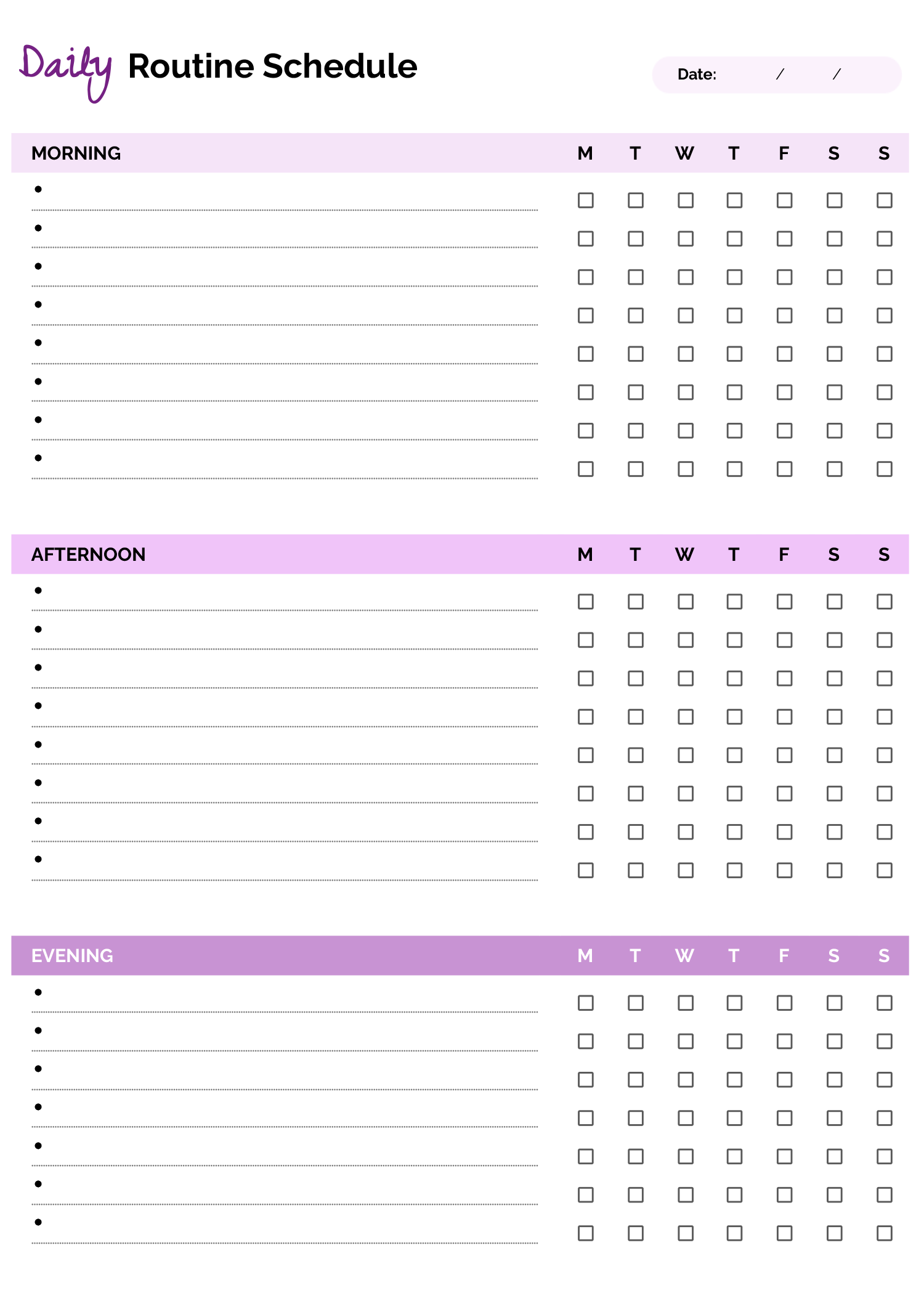
These four strategies form the foundation of effective daily workload management.
Assigning broad themes to parts of the day — deep work in the morning, communication in the afternoon — reduces the mental cost of task-switching and makes the day feel more coherent and predictable.
A brief evening or early morning review of the day ahead — identifying the three to five most important tasks — means you begin each day with clear direction rather than reactive decision-making.
Scheduled pauses between tasks — even five to ten minutes of stillness — are not wasted time. They act as natural reset points that make sustained focus throughout the day more accessible.
Aligning the type of task to the natural phase of the day — complex thinking in the morning, lighter tasks in the afternoon — means you are working with your natural rhythm rather than pushing against it.
These straightforward practices can be introduced gradually into your existing daily routine.
Each morning, identify the three most meaningful tasks for the day. Keep this list visible and return to it when attention drifts.
Work in focused intervals of 45–60 minutes followed by a deliberate break. This keeps attention clearer and prevents gradual drift.
Respond to messages and emails in dedicated time blocks rather than continuously throughout the day. This reduces constant context-switching.
Between major phases of the day, use a brief physical action — a short walk, stretching, or a glass of water — as a clear signal that one phase is ending and another is beginning.
Spend five minutes at the end of each workday noting what was completed, what remains, and what is planned for the following morning.
Once a week, take a brief look back at how your days were structured. Identify what worked well and what could be adjusted in the coming week.
Our coaching pathways offer personalised guidance for applying these strategies to your specific schedule and responsibilities.
Get in Touch